Event Overview
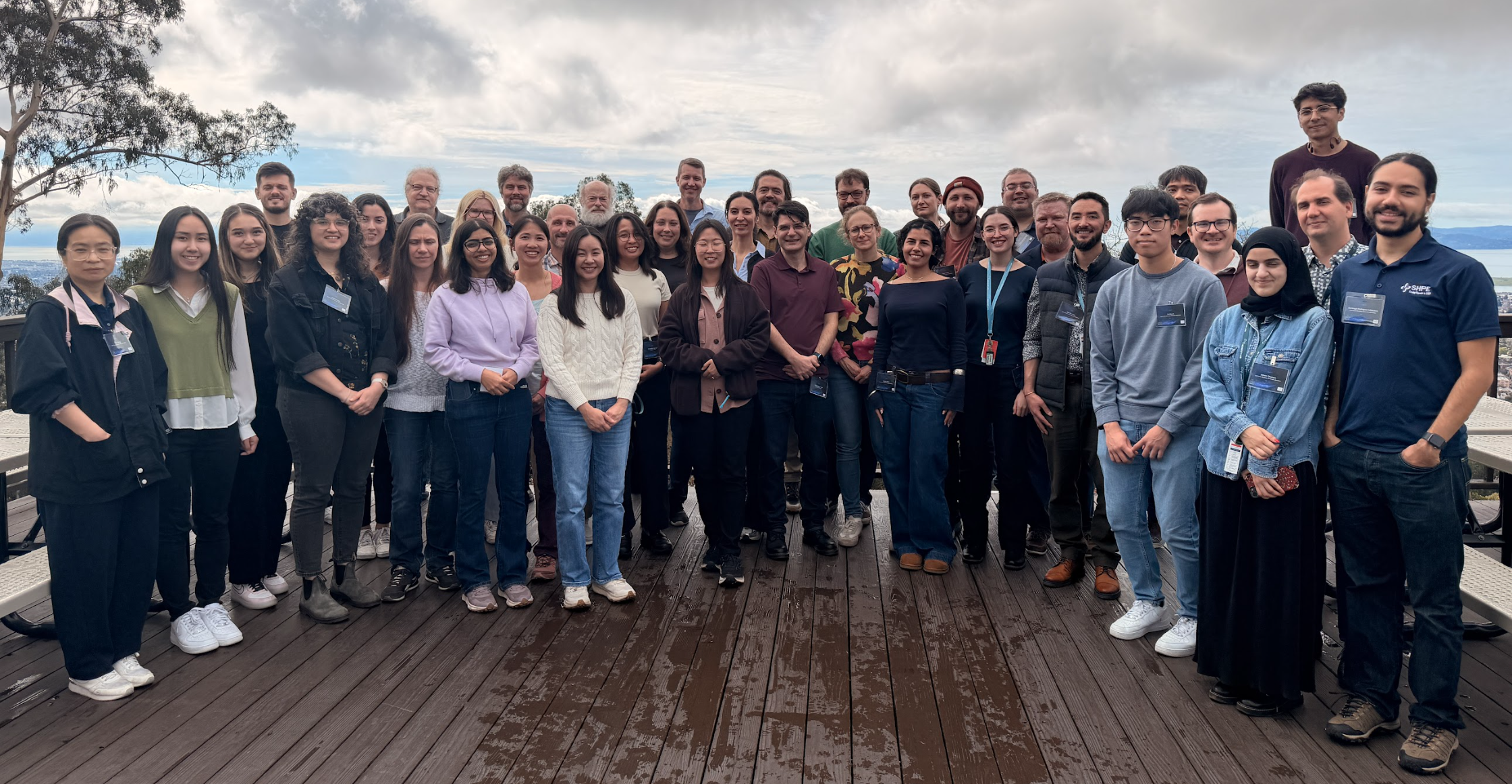
In late Feb 2026, staff from 11 different accelerator lab facilities gathered at the Advanced Light Source for a 3-day event, the “Accelerate UX Workshop”. What could bring together so many different participants from across the US and abroad? The answer is simple: a chance to improve the user experience for operators, scientists, engineers, researchers, and all others who work at accelerator labs.
This three-day workshop was organized by the Accelerate UX Working Group (AUX-WG) which consists of software developers, user experience (UX) engineers, and human factors scientists from accelerator labs. The agenda included case studies, hands-on UI/UX training, panel sessions, group breakouts, and even a hackathon with ALS beamline and accelerator staff. Needless to say, it was a packed schedule. View full agenda
Day 1
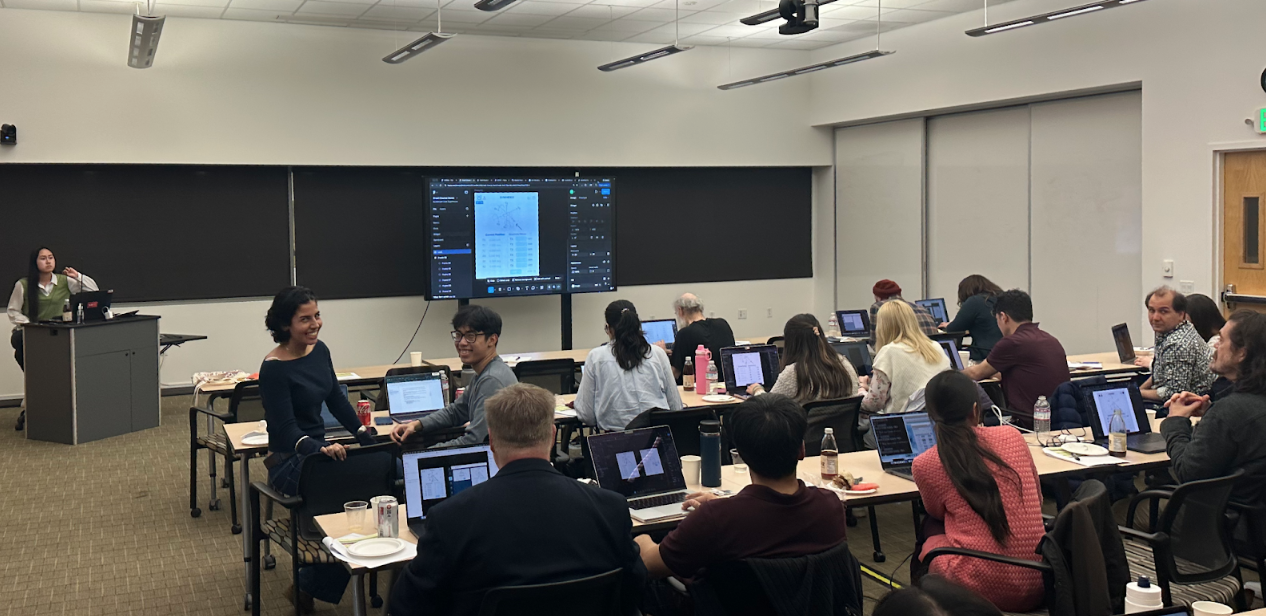
The first day consisted of event organizers teaching attendees the basics of UI/UX, prototyping, and AI tools. Madelyn Polzin (UX Engineer, FermiLab) gave a beginner-friendly lecture on what UX is, and then dove into how design systems and style guides can create cohesive interfaces. Tiffany Tran (Software Developer, SLAC) led a hands-on tutorial for Figma prototyping software, showcasing the value of prototyping before starting to code. Seij De Leon (Software Developer, ALS) had attendees try out various AI prototyping software that can create fully functional interfaces with simple text prompts. By the end of the first day, attendees had learned how to perform modern UI/UX techniques and develop prototypes, which would come in handy for the rest of the workshop.
Day 2
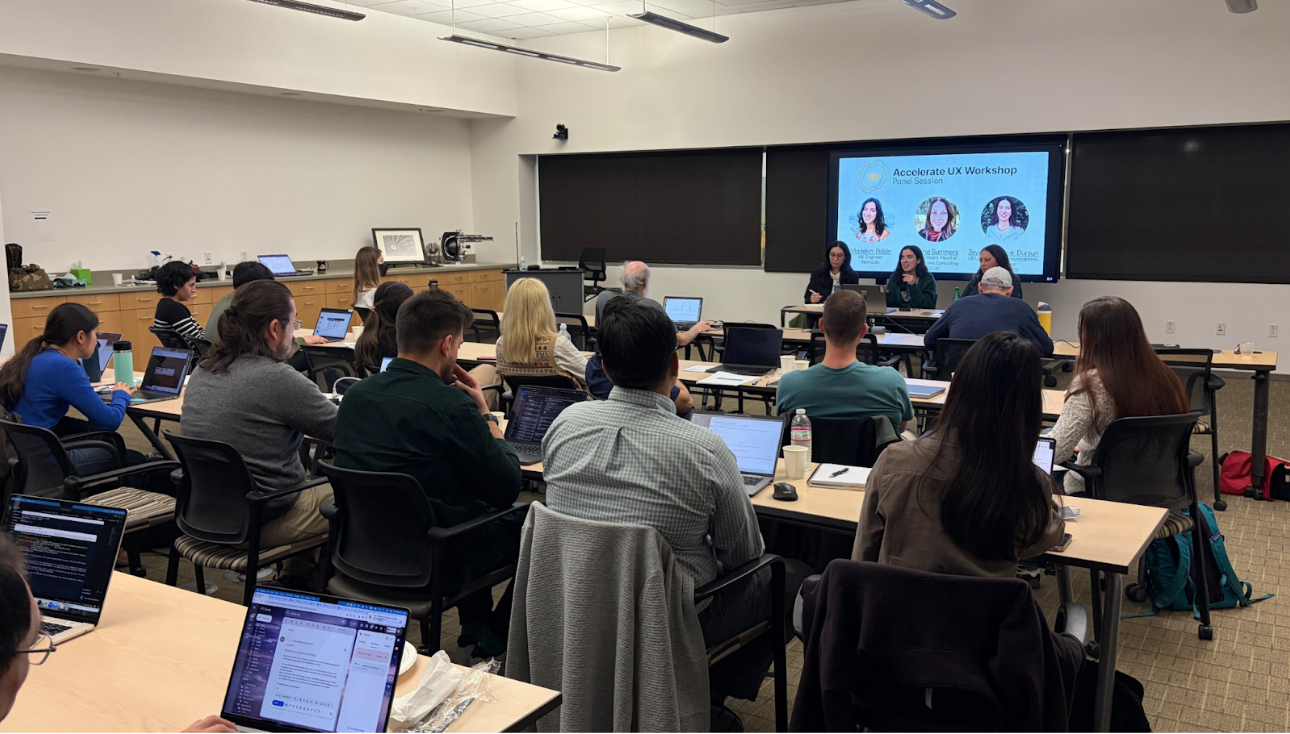
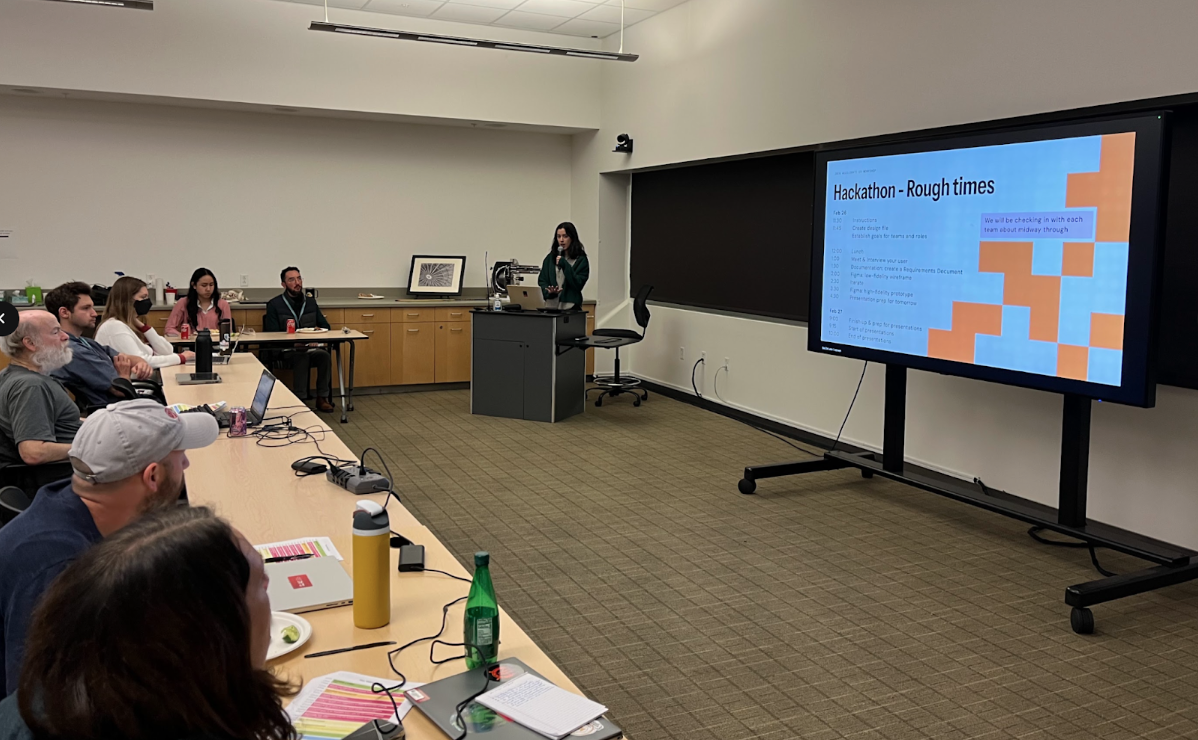
On the second day, attendees presented case studies from specific projects and efforts at their labs. Topics ranged from UX lessons related to alarms, decoding user experience from UI analytics, and UX lessons from conversational AI deployed at beamlines. An insightful panel session with Madelyn Polzin followed. In the afternoon, the hackathon began, pairing ALS staff with teams of 2–3 attendees to practice UX interviewing and prototype design. For many, creating a visual prototype was a new but invaluable experience.
Day 3
The final day included presentations of hackathon results, more case studies, and breakout sessions. Teams shared insights and gathered feedback directly from ALS staff, consolidating lessons learned from the previous two days.
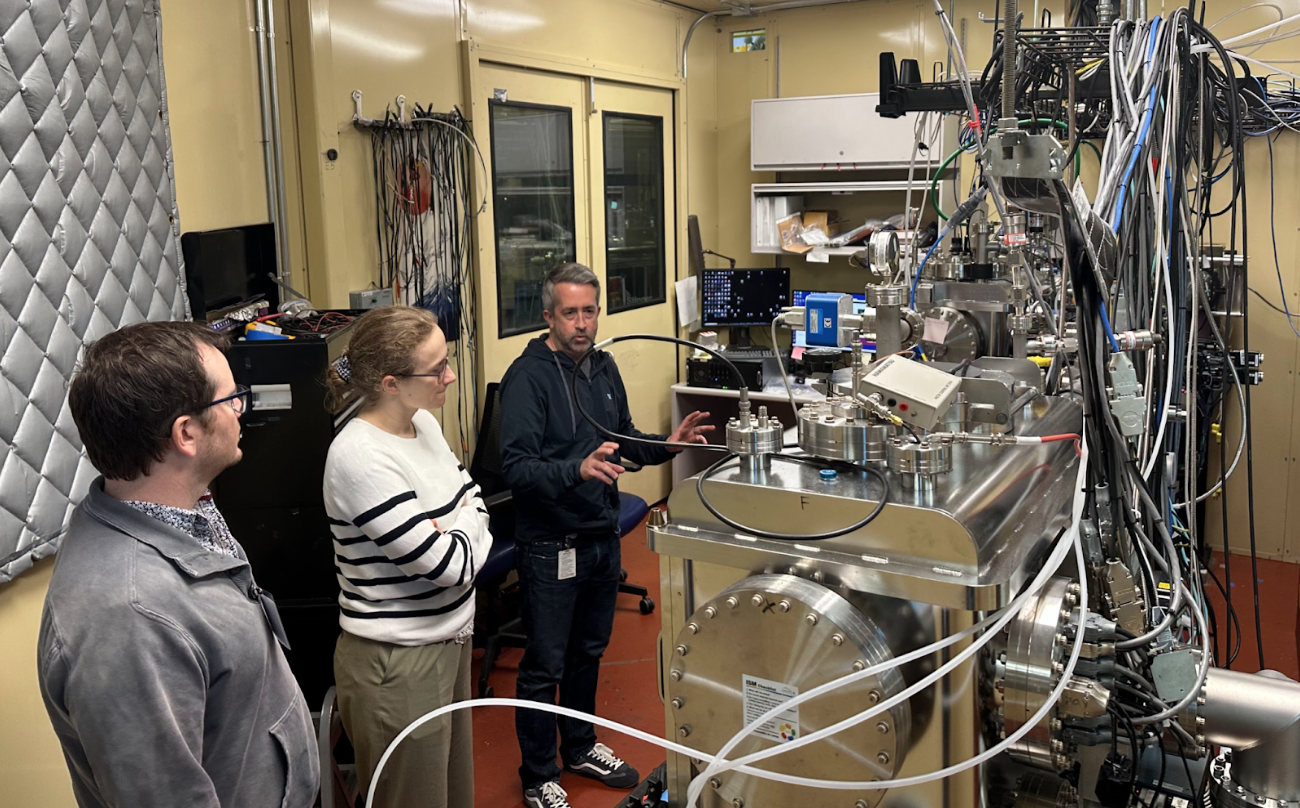
The workshop concluded with a tour of the ALS, including several beamlines and the accelerator control room. Participants explored real-world interfaces, drawing inspiration to improve their own facilities. Overall, the ALS hosted a first-of-its-kind event that fostered cross-facility connections, taught fundamental UI/UX practices, and promoted a culture of thoughtful design across accelerator labs.